
Have you ever wondered how much an electrician makes per hour? Whether you’re considering a career change or simply curious about the earning potential of electricians, it’s essential to have a clear understanding of their hourly salary range. In this article, we will delve into the world of electricians’ wages, exploring average earnings, pay variations in different regions such as South Africa, and the impact of qualifications on salary. By examining call out fees and identifying both the lowest and highest-paid electricians, we’ll provide a comprehensive analysis that sheds light on this often overlooked but crucial profession. So let’s dive in and uncover the numbers behind an electrician’s hourly pay!
Key Takeaways
- The average hourly rate for a qualified electrician in South Africa is around 350 to 500 South African Rand.
- Electricians in major cities tend to earn higher salaries compared to those in smaller towns or rural areas.
- Specialization in areas such as industrial electrical work or renewable energy systems can lead to higher salaries.
- Eskom, the national electricity utility company, offers attractive remuneration packages for skilled electricians, including competitive base salary, overtime pay, and benefits package.
Hourly Salary Range
So you think being an electrician means you’ll be rolling in cash, huh? Well, brace yourself for disappointment because the hourly salary range for electricians can vary quite a bit depending on your experience and location. In general, entry-level electricians with minimal experience can expect to earn around $15 to $20 per hour. As you gain more experience and expertise in the field, your hourly rate will likely increase. Experienced electricians who have been working for several years can make anywhere from $25 to $35 per hour or more.
Location also plays a significant role in determining an electrician’s hourly salary. Major cities with high living costs tend to offer higher wages compared to rural areas with lower costs of living. For example, an electrician working in New York City might make significantly more than someone doing the same job in a small town in Kansas.
Now that you know about the hourly salary range for electricians based on experience and location, let’s delve deeper into average earnings. While these figures provide a rough estimate of what you can expect to earn as an electrician, keep in mind that these numbers may vary depending on various factors such as certifications, additional skills, and even union membership. So buckle up as we explore further into the world of average electrician earnings.
Average Electrician Earnings
With their expertise and skills, electricians can command an impressive hourly wage in the industry. On average, electricians earn around $26 per hour in the United States. However, this figure can vary depending on factors such as experience, location, and specialization. Electricians with several years of experience or those who have obtained advanced certifications may be able to earn higher wages than entry-level electricians.
In addition to their base hourly rate, electricians may also receive overtime pay for working beyond regular business hours. This can significantly increase their earnings and provide a lucrative opportunity for those willing to put in extra hours. Some electricians may also have the opportunity to earn bonuses or other incentives based on their performance or completion of specific projects.
Moving forward to discussing electrician pay in South Africa, it is important to note that salaries can differ from country to country due to various factors such as cost of living and economic conditions. Therefore, understanding how much electricians make in different regions provides a comprehensive perspective on the industry’s earning potential.

Electrician Pay in South Africa
To understand the earning potential of an electrician in South Africa, imagine yourself working in a country where your skills and expertise are highly valued, and where the pay reflects the demand for your services. In South Africa, electricians are in high demand due to rapid urbanization, infrastructure development, and increasing reliance on technology. As a result, electricians can expect to earn competitive wages that reflect their specialized knowledge and experience.
- Firstly, electricians in South Africa typically earn an hourly wage ranging from ZAR 80 to ZAR 250 per hour ($5.50 to $17). The exact rate depends on various factors such as location, level of experience, industry specialization, and whether they work independently or for a company. Electricians who work in cities like Johannesburg or Cape Town may command higher rates compared to those in smaller towns.
- Secondly, there is potential for additional income through overtime pay. Many electrical projects require working outside regular hours or during weekends. As an electrician in South Africa, you may have opportunities to take on extra shifts or emergency call-outs that offer premium rates. This can significantly boost your earnings if you’re willing to put in the additional effort.
- Lastly, becoming a certified master electrician can lead to even higher earning potential. Master electricians have completed advanced training programs and have extensive experience in the field. With this certification under your belt, you’ll not only be able to command higher hourly rates but also gain access to more prestigious projects with bigger budgets.
With this understanding of the earning potential as an electrician in South Africa established, let’s delve into the qualifications needed and salary expectations for this rewarding profession without skipping a beat .
Qualifications and Salary
Imagine yourself as a skilled electrician in South Africa, where your qualifications and expertise can open the door to a rewarding career and a generous salary. As an electrician in South Africa, your earning potential is directly linked to your level of experience and qualifications. The more skilled you are, the higher your salary will be.
To become a qualified electrician in South Africa, you need to complete an apprenticeship program or obtain a trade certificate from a recognized institution. This ensures that you have the necessary knowledge and practical skills to perform electrical work safely and effectively. Additionally, obtaining additional certifications or specialized training can further enhance your earning potential.
The table below provides an overview of the average hourly rates for electricians based on their level of experience:
Experience Level | Average Hourly Rate (in ZAR) |
Entry-Level | R50 – R150 |
Intermediate | R150 – R250 |
Senior | R250 – R400 |
Master | R400+ |
It’s important to note that these figures are just averages and can vary depending on factors such as location, industry demand, and individual negotiation skills. However, they give you a general idea of what you can expect to earn as an electrician in South Africa.
Transitioning into the subsequent section about ‘call out fees in SA,’ it’s essential for electricians to not only consider their hourly rate but also other sources of income such as call out fees. These fees are charged when an electrician is called outside regular working hours or on weekends to provide emergency services. Understanding how call out fees work can further contribute to maximizing your earnings as an electrician in South Africa.
Call Out Fees in SA
Call-out fees in SA can significantly boost an electrician’s earnings potential in South Africa. When it comes to electrical emergencies or urgent repairs, electricians often charge call out fees to compensate for their time and immediate response. These fees are typically higher compared to regular hourly rates as they account for the inconvenience of being called outside of normal working hours or at short notice. In addition, call out fees also cover the cost of travel expenses, as electricians need to reach the location promptly.
The amount charged for a call out fee varies depending on various factors such as the time of day, day of the week, and distance traveled. Typically, electricians charge higher call out fees during evenings, weekends, and public holidays due to the increased demand during these times. The exact fee can range from a few hundred rand to over a thousand rand, depending on the complexity and urgency of the job. It is important to note that some electricians may waive or reduce call out fees if they are already servicing nearby areas or have ongoing contracts with clients.
Understanding call out fees is essential when considering hiring an electrician in South Africa. However, it is important not to solely focus on this aspect when evaluating costs. Once an electrician has been called out and assessed the situation, they will provide a detailed quote that includes both labor costs and materials required for repair or installation. By comparing different quotes from reputable electricians, you can ensure you are getting a fair price for your specific needs.
Transition: Moving forward from understanding call-out fees in SA, let’s now delve into another crucial aspect – the cost to wire a house.
Cost to Wire a House
The cost of wiring a house can be quite steep, but it’s worth every penny to ensure the safety and functionality of your electrical system. When it comes to wiring a house, there are several factors that can affect the overall cost. The size of the house plays a significant role, as larger homes require more materials and labor. Additionally, the complexity of the electrical system and the number of outlets and switches needed will also impact the cost. It’s important to hire a qualified electrician who can accurately assess your needs and provide an estimate based on these factors.
In addition to the materials and labor involved in wiring a house, there are other costs to consider as well. For example, permits may be required before any work can begin, which can add to the overall expense. Furthermore, if your home is older or has outdated wiring that needs to be replaced, this can also increase the cost. It’s important to factor in these additional expenses when budgeting for your project.
Now that you understand some of the factors that contribute to the cost of wiring a house, let’s move on to discussing hourly rates in South Africa.
Hourly Rate in South Africa
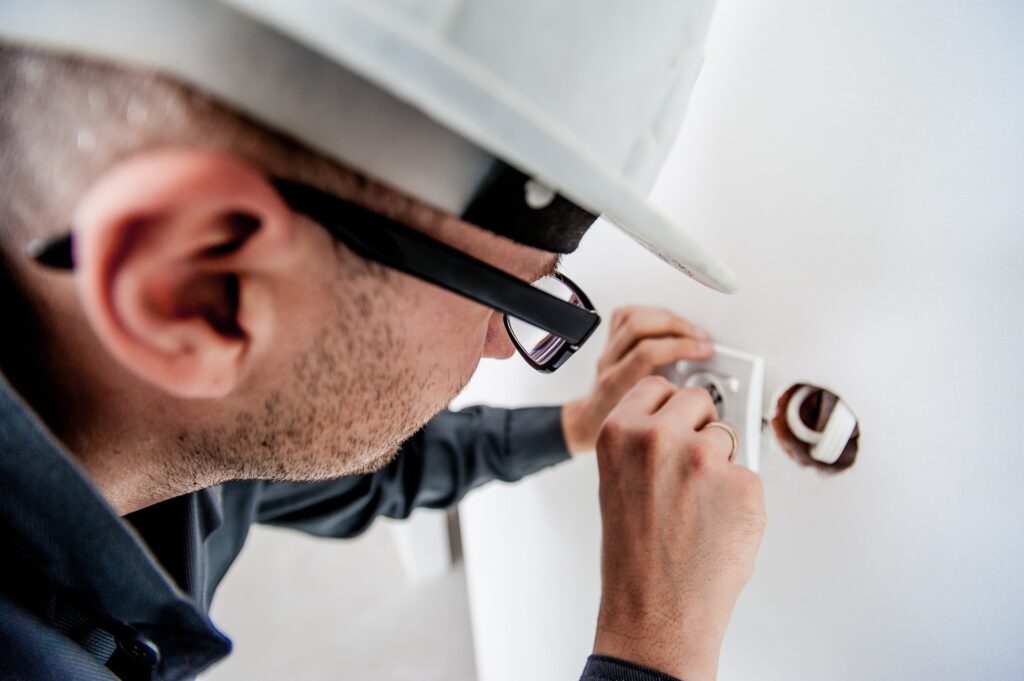
Now that you have an idea of the cost to wire a house, let’s delve into the hourly rate of electricians in South Africa. Electricians in this region typically charge an hourly rate for their services. The exact rate can vary depending on factors such as experience, qualifications, and location. On average, however, you can expect to pay around 350 to 500 South African Rand per hour for a qualified electrician.
It is important to note that this hourly rate may also include additional costs such as travel expenses or the provision of materials. Some electricians may charge a higher rate if they specialize in certain areas or if they are called out during weekends or public holidays. It’s always worth discussing these details with your chosen electrician before commencing any work.
Understanding the hourly rate of electricians in South Africa gives you a clearer picture of what to expect when hiring one for your electrical needs. However, it’s also essential to consider their monthly earnings and how that factors into their overall income. Transitioning into the next section about ‘monthly earnings in SA’, let’s explore how much electricians make on average over a month and gain further insight into their earning potential.
Monthly Earnings in SA
Transitioning into the next section about monthly earnings in SA, let’s take a glimpse into how electricians in South Africa can paint a clearer picture of their income potential. When it comes to monthly earnings, electricians in South Africa have the opportunity to earn a decent living. The average monthly salary for an electrician ranges from around R15,000 to R25,000, depending on factors such as experience, qualifications, and location.
Electricians who work in major cities such as Johannesburg or Cape Town tend to earn higher salaries compared to those working in smaller towns or rural areas. Additionally, the level of specialization can also influence an electrician’s earning potential. Those with additional certifications or expertise in specific areas such as industrial electrical work or renewable energy systems may command higher salaries.
Moving on to the subsequent section about earnings at Eskom, it is important to note that while the average monthly earnings for electricians in South Africa are relatively competitive, there are opportunities for even greater financial rewards within certain sectors. Eskom, the national electricity utility company, offers attractive remuneration packages for skilled electricians who join their workforce. By working at Eskom, electricians have access to additional benefits and allowances that can significantly boost their overall income.
Monthly earnings for electricians in South Africa range from R15,000 to R25,000 on average. Factors such as experience and location play a significant role in determining an individual’s earning potential. However, there are opportunities for higher incomes within specialized sectors like Eskom. Transitioning into the subsequent section about earnings at Eskom provides further insight into how some electricians can achieve even greater financial success without skipping a beat.
Earnings at Eskom
Imagine yourself as an electrician at Eskom, where the potential for financial rewards can skyrocket your income to new heights. Working for South Africa’s largest electricity public utility company, you not only benefit from a stable job but also have the opportunity to earn a competitive salary. Here are three factors that contribute to the attractive earnings at Eskom:
- Competitive Base Salary: As an electrician at Eskom, you can expect a competitive base salary that reflects your skills and experience in the field. The company values its employees’ expertise and compensates them accordingly. This ensures that you are fairly rewarded for your hard work and dedication.
- Overtime Pay: At Eskom, there is often a need for electricians to work beyond regular hours due to maintenance or emergency situations. The company recognizes this extra effort by providing overtime pay. This means that not only do you have the chance to earn more money, but it also demonstrates how much your contributions are valued.
- Benefits Package: In addition to a generous salary and overtime pay, working at Eskom comes with a comprehensive benefits package. This includes medical aid, retirement funds, and other perks such as housing allowances or transportation subsidies. These additional benefits enhance your overall compensation and provide financial security.
These factors make working as an electrician at Eskom financially rewarding and enticing for those in the industry. However, it’s important to note that while the potential for earning is high at Eskom, it may vary depending on factors such as qualifications and experience levels of individuals within their respective roles.
Transitioning into the subsequent section about ‘junior electrician salary,’ one should consider how entry-level positions differ in terms of compensation compared to more experienced roles within the company without sacrificing growth opportunities in this dynamic field of work.
Junior Electrician Salary
Working as a junior electrician at Eskom comes with an enticing salary package that reflects your skills and dedication in the field. As a junior electrician, you can expect to earn an hourly wage of around R60 to R80. This rate may vary depending on factors such as experience, qualifications, and location. However, it is important to note that this is just the starting point for your career in electrical work.
In addition to the base salary, there are opportunities for growth and advancement within Eskom. By gaining experience and furthering your education in the field, you can increase your earning potential significantly. With each milestone reached, whether it be obtaining additional certifications or taking on more responsibilities, you will have the chance to negotiate higher wages.
Transitioning into the subsequent section about ‘electrician salaries in SA,’ it’s important to understand that working as a junior electrician at Eskom lays a solid foundation for your future earnings. This entry-level position allows you to gain valuable experience while earning a competitive wage. However, as you progress in your career and move up the ranks, your earning potential will continue to grow.
Electrician Salaries in SA
When it comes to electrician salaries in SA, you’ll be pleasantly surprised by the lucrative earning potential that awaits you. Electricians in South Africa can earn a competitive hourly wage, especially considering the level of skill and expertise required for the job. The average hourly rate for an electrician in SA ranges from R80 to R200 per hour, depending on factors such as experience, qualifications, and location. With such earning potential, pursuing a career as an electrician can provide financial stability and rewarding opportunities.
In addition to the base salary, electricians in SA often have access to additional benefits and allowances. These may include overtime pay for working beyond regular hours or during weekends and public holidays. Some companies also offer performance bonuses or incentive schemes based on productivity or customer satisfaction ratings. These extra incentives can further boost an electrician’s income, making it even more attractive as a profession.
However, it’s important to note that not all electricians earn the same amount. While some experienced professionals with specialized skills may command higher rates, entry-level or junior electricians might receive lower wages initially. Nevertheless, with dedication and continuous learning, junior electricians have ample room for growth within the industry. So if you’re looking to start your journey as an electrician in SA, rest assured that there are plenty of opportunities available to increase your earnings down the line without compromising on quality workmanship or job satisfaction.
Lowest Paid Electrician
If you want to earn a higher salary as an electrician in SA, it’s important to avoid being the lowest paid in the industry. Electricians who are at the bottom of the pay scale often struggle to make ends meet and may find it difficult to progress in their careers. Being the lowest paid electrician means that you are likely earning less than your peers and are not being recognized for your skills and experience. It is crucial to negotiate fair wages and seek opportunities for growth within the field.
To avoid being the lowest paid electrician, it is essential to continuously improve your skills and knowledge. Stay updated with industry trends, new technologies, and best practices. By investing time in professional development courses or certifications, you can increase your value as an electrician and become more attractive to employers. Additionally, networking with other professionals in the field can provide valuable insights into job opportunities that offer better compensation packages.
Furthermore, consider specializing in niche areas of electrical work. Electricians who specialize in high-demand sectors such as renewable energy or industrial automation tend to command higher salaries due to their expertise. By positioning yourself as an expert in a specific area, you can differentiate yourself from other electricians and potentially secure higher-paying jobs.
By avoiding being the lowest-paid electrician through continuous improvement and specialization, you position yourself for greater success within the industry. Transitioning into becoming one of the highest-paid electricians requires further effort and strategies that will be explored in the subsequent section about ‘highest-paid electrician.’
Highest-Paid Electrician
Becoming one of the highest-paid electricians requires going above and beyond by continuously expanding your skill set and carving out a niche in the industry. It is not enough to simply have a basic understanding of electrical systems; you must strive to become an expert in your field. This means constantly seeking out new certifications, attending workshops and seminars, and staying up-to-date with the latest advancements in technology. By doing so, you will be able to offer specialized services that few others can provide, allowing you to command higher rates for your work.
To give you an idea of just how much the highest-paid electricians can earn, let’s take a look at a table that outlines some examples:
Electrician | Average Hourly Rate |
Master Electrician | $40 – $60 |
Industrial Electrician | $35 – $50 |
Maintenance Electrician | $30 – $45 |
Construction Electrician | $25 – $40 |
Residential Electrician | $20 – $35 |
As you can see from the table above, the average hourly rates for the highest-paid electricians range from around $40 to $60 per hour. These professionals typically have extensive experience in their respective areas of expertise and are sought after for their specialized skills. By consistently honing your craft and becoming proficient in specific sectors such as industrial or maintenance electrical work, you too can join this elite group of top earners.
With knowledge of what it takes to become one of the highest-paid electricians under your belt, let’s now delve into more details about these top earners without skipping a beat.
Top-Paid Electrician
With their specialized skills and extensive experience, the top-paid electricians in the industry command high hourly rates that reflect their expertise. These electricians have honed their craft over years of training and practical work, allowing them to tackle complex electrical projects with ease. They are often sought after by prestigious companies and high-end clients who value quality workmanship and are willing to pay a premium for it. As a top-paid electrician, you can expect to earn an impressive hourly wage that rewards your dedication and proficiency.
One of the reasons why top-paid electricians earn such high hourly rates is because they possess advanced knowledge in their field. These professionals have gone beyond the basic requirements of being an electrician and have invested time and effort into gaining additional certifications or specializations. This extra level of expertise allows them to take on challenging projects that require intricate problem-solving skills or in-depth understanding of complex electrical systems. Clients recognize the value of this specialized knowledge and are willing to pay more for someone who can provide innovative solutions and ensure safety.
Furthermore, the reputation built by top-paid electricians plays a significant role in determining their earnings. Through years of delivering excellent results, these professionals have established themselves as trustworthy experts in their industry. Their track record speaks for itself, attracting clients who are looking for reliable professionals to handle their electrical needs. With a solid reputation, comes increased demand for services which gives top-paid electricians the leverage to negotiate higher hourly rates.
As you explore further into hourly salary comparison, you will discover how different factors like location, experience level, and industry specialization can impact earning potential for an electrician. Understanding these variables will help you make informed decisions about your career path as you aim to achieve financial success while doing what you love – providing exceptional electrical services that meet the highest standards.

Hourly Salary Comparison
When you compare hourly salaries, you’ll find that electricians who have specialized in a specific industry and gained extensive experience earn higher wages than those who haven’t. Electricians who have chosen to specialize in areas such as industrial maintenance or renewable energy tend to command higher pay rates due to their expertise. This is because they have acquired the necessary skills and knowledge required for these specialized fields, making them more valuable to employers.
In addition to specialization, experience also plays a significant role in determining an electrician’s hourly salary. Electricians with several years of on-the-job experience can demand higher wages compared to those who are just starting out. This is because experienced electricians have likely encountered a wide range of electrical problems and developed the ability to troubleshoot effectively, which makes them more efficient and valuable assets for employers.
Furthermore, geographical location can impact an electrician’s hourly salary. In some areas where there is high demand for skilled electricians but limited supply, wages tend to be higher compared to areas with an oversaturated market. It’s not uncommon for electricians working in metropolitan areas or regions with booming industries like construction or energy production to earn significantly higher wages than their counterparts in rural or less busy locations.
Overall, when comparing hourly salaries of electricians, it becomes evident that specialization, experience, and geographic location all influence earning potential. By specializing in a specific field and gaining extensive experience over time, an electrician can increase their value and command higher wages. It’s important for aspiring electricians to consider these factors when planning their career path and deciding where they want to work in order to maximize their earning potential.
How Much Do Electricians Make An Hour
The average hourly wage for electricians varies depending on factors such as experience, location, and industry. However, as of 2021, electricians in the United States typically make between $24 and $38 per hour. Keep in mind that specialized electricians or those working in certain areas may earn higher wages.
Conclusion
In conclusion, the hourly salary range for electricians can vary depending on various factors such as experience, qualifications, and location. On average, electricians earn a respectable income that reflects their expertise and skill set. However, it is important to note that electrician pay in South Africa may differ from other countries due to economic differences.
While some electricians may charge call-out fees for emergency services, this is not a universal practice and can vary from one electrician to another. Additionally, the lowest-paid electricians may struggle financially, while the highest-paid electricians enjoy a more lucrative income. It is essential for aspiring electricians to invest in their qualifications and continuously improve their skills in order to increase their earning potential.
In terms of comparison with other professions, being an electrician can provide a stable income and job security. With the demand for electrical services continuing to rise in today’s technology-driven world, skilled electricians are always in high demand. Therefore, becoming a top-paid electrician requires dedication and commitment to honing one’s craft.
Overall, the field of electrical work offers potential for financial growth and stability. Like an intricate circuit board that powers complex machinery with precision and efficiency, being an electrician allows individuals to power up their careers and generate a steady stream of income.
Frequently Asked Questions
Typical working hours for an electrician can vary, but they usually work full-time schedules, including evenings and weekends. They may also be on-call for emergencies. The specific hours depend on the employer and project requirements.
In South Africa, electricians have various career advancement opportunities. These include becoming a supervisor or manager, starting their own electrical contracting business, or specializing in areas such as renewable energy or industrial automation.
To increase an electrician’s earning potential, they can pursue additional certifications or training in specialized areas such as solar panel installation, home automation systems, or industrial electrical work. These skills are highly sought after and can lead to higher-paying job opportunities.
The cost of living in South Africa can significantly impact an electrician’s salary. With high living expenses, the average electrician’s earnings may not stretch as far, making it more challenging to maintain a comfortable lifestyle.
The job outlook for electricians in South Africa is positive. Factors such as urbanization, infrastructure development, and renewable energy projects contribute to the demand for electricians.
The average hourly wage for electricians can vary depending on factors such as experience, location, and industry. However, in many regions, electricians can earn an hourly wage ranging from $20 to $40.
Electricians’ hourly rates in South Africa can vary depending on various factors such as experience, location, and the type of electrical work. On average, electricians in South Africa may charge an hourly rate ranging from R250 to R500.
An electrician’s monthly earnings can vary based on factors like experience, location, and employment type. However, in many regions, electricians can earn a monthly salary ranging from $3,000 to $6,000.
Qualified electricians in South Africa can earn a monthly salary ranging from around R10,000 to R30,000, depending on factors such as experience, qualifications, and the employer.
The call-out fees charged by electricians in South Africa can vary. Typically, call-out fees range from around R300 to R800, depending on the location, time of day, and the nature of the electrical issue.
The cost of wiring a house in South Africa can vary based on factors such as the size of the house, complexity of the electrical system, and the region. On average, the cost can range from R10,000 to R40,000 or more.
The hourly rate for electricians in South Africa can vary depending on factors such as experience, location, and the type of electrical work. On average, electricians in South Africa may charge an hourly rate ranging from R250 to R500.
A qualified electrician in South Africa can earn a monthly salary ranging from around R10,000 to R30,000, depending on factors such as experience, qualifications, and the employer.
The salary of an electrician at Eskom, the South African electricity public utility, can vary based on factors such as experience, qualifications, and job responsibilities. Generally, electricians at Eskom can earn a salary ranging from around R15,000 to R40,000 or more per month.
The salary of a junior electrician in South Africa can vary depending on factors such as experience, qualifications, and the employer. On average, a junior electrician can earn a monthly salary ranging from around R7,000 to R15,000.
The earnings of electricians in South Africa can vary based on factors such as experience, qualifications, and the employer. On average, electricians in South Africa can earn a monthly salary ranging from around R10,000 to R30,000 or more.